Roof Leak Emergency? What Glenmore Homeowners Should Do Before Help Arrives
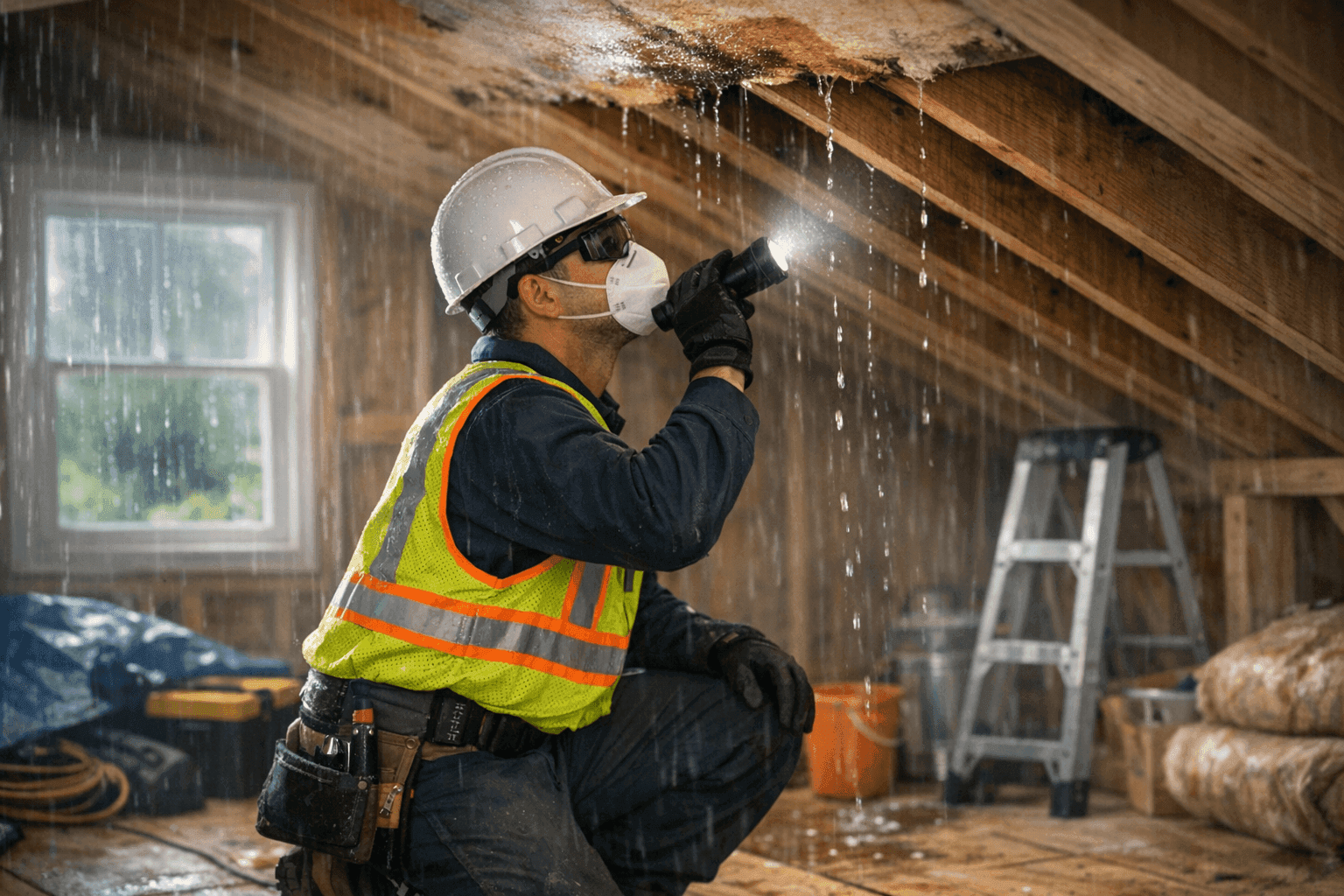
When water starts dripping from your ceiling, it’s more than just an inconvenience. It’s a true test of nerves. Glenmore weather—wild storms, heavy snow, sudden thaws—can turn a tiny leak into a full-blown emergency in a matter of minutes.
At Glenmore Roofing, we know how overwhelming this feels. Years of helping local homeowners through every roof crisis have taught us one thing: Quick, calm action makes all the difference.
Recognizing a Roof Leak Emergency
The sky opens up. Rain pounds your roof. Suddenly, you notice a growing water stain on your ceiling, or worse, a steady drip soaking your floor. But how do you know if it’s truly an emergency?
In Glenmore, roof leaks most often follow:
- Violent storms with wind-driven rain or hail
- Ice dams after long, snowy winters
- Aging shingles that have cracked, curled, or lost their granules
Warning signs to watch for:
- Brown or yellow water stains on ceilings or walls
- Bulging, sagging spots on the ceiling (a sure sign water is pooling above)
- Active drips or streams during or right after precipitation
- Damp insulation in your attic
- Musty odors hinting at hidden moisture
If water is making its way inside—don’t wait. Even a slow leak can quickly spiral into bigger problems.
What To Do Immediately 🛑
When you spot a roof leak, your first job is to protect yourself and your home. Here’s what you can do—right now:
- Move belongings: Get furniture, electronics, and valuables away from the wet area.
- Place buckets or containers: Catch drips to minimize floor and carpet damage.
- Spread towels or plastic sheeting: This helps soak up stray splashes.
- Relieve water pressure: If you see a bulging ceiling, gently poke a small hole in the lowest point. Let water drain into a bucket—this may prevent the whole ceiling from collapsing.
Safety first:
- Never touch wet electrical fixtures. Water plus electricity is a dangerous mix.
- Think twice before entering the attic. Attic floors can be slick or unstable when wet, and you may not see hazards in the dark.
- Avoid climbing on the roof yourself during storms or at night. Leave that to trained professionals with the right safety gear.
Temporary Leak Mitigation
Sometimes you need a quick fix to hold things together until help arrives. Here’s how Glenmore homeowners can take action—safely and smartly.
- DIY tarping: If the weather is calm and you can safely access your roof (using proper fall protection), cover the damaged area with a heavy-duty tarp. Secure it with 2x4 boards or sturdy weights, not just nails or rocks, to avoid tearing or wind lift.
- Plastic sheeting inside: Stretch painter’s plastic under the leaking spot in your attic or ceiling as a short-term barrier.
What NOT to do:
- Don’t use duct tape or household caulk on wet, damaged shingles. These “fixes” rarely hold and may cause more harm than good.
- Don’t climb onto a slippery or icy roof. Falls are a leading cause of injury.
- Don’t ignore signs of structural damage (like sagging rafters or ceiling collapse)—these require immediate professional attention.
When to Call for Emergency Services
A leaky roof can go from minor to major in the blink of an eye. Here’s when it’s time to pick up the phone for Emergency Services in Glenmore, NY:
- Active water intrusion—especially during rain or melting snow
- Storm or tree damage—visible holes, missing shingles, or debris on your roof
- Ceiling collapse or significant sagging
- Electrical hazards—sparking, flickering lights, or water near wiring
- Multiple leaks across different rooms
Glenmore Roofing is local. That means we’re familiar with Glenmore’s weather patterns, common roofing materials, and building codes. When you call, our team mobilizes fast—rain, snow, or shine—to assess the situation and stop the leak before damage spreads.
Quick Safety Checklist
- Unplug electronics near the leak.
- Wear rubber-soled shoes if you must walk on wet floors.
- Keep children and pets away from the affected area.
- If you suspect ceiling collapse, evacuate the room.
- Document damage with photos for insurance claims.
Temporary Fixes vs. Professional Repair
Some leaks can be contained for a few hours, but most require a skilled hand. Here’s what you can do—and what’s better left to Glenmore Roofing:
DIY (Short Term Only)
- Cover with a tarp or plastic sheeting (if safe)
- Mop up standing water
- Create drainage holes in bulging ceilings
Call a Pro
- Assess hidden damage in the attic or roof deck
- Repair or replace shingles, flashing, or underlayment
- Address structural concerns
- Restore affected insulation or drywall
What Glenmore Roofing Pros Do On Arrival
When our team shows up, here’s what happens:
- Thorough inspection: Inside and out, including attic, decking, and flashing
- Moisture mapping: Using tools to trace the leak’s source, not just the symptoms
- Immediate containment: Temporary patches, tarping, or sealing to stop active leaks
- Clear explanations: We’ll walk you through what happened, what’s needed, and possible next steps
We follow New York State building codes and OSHA safety protocols—no shortcuts.
Prevention & Maintenance Tips
You can’t control the weather, but you can reduce your risk of future emergencies:
- Schedule regular roof inspections and leak repair, especially after major storms or each spring and fall
- Keep gutters and downspouts clear to prevent water backup
- Trim tree limbs that hang over your roof
- Replace missing or damaged shingles promptly
- Watch for signs of aging—granule loss, curling, or cracked shingles
Costs & Time Factors
Every emergency is different. But here’s what typically affects the timeline and expense:
- Extent of damage: Small leaks mean quick repairs; structural issues or widespread water intrusion take longer
- Roof type: Steep, high, or complex roofs are more challenging
- Weather conditions: Storms can slow down emergency response or repairs
- Materials needed: Specialty shingles or flashing may require ordering
Temporary containment may take 1–2 hours; full repairs or replacement can range from a few hours to several days, depending on severity.
When It’s Truly an Emergency
Not every leak is a crisis, but some situations just can’t wait:
- Water is entering your home in multiple places
- Ceiling is about to collapse
- Power outages or electrical hazards are present
- You see structural issues like bowed rafters or wall cracks
- Mold is developing quickly after a leak
If in doubt, call for help. Fast action is often the difference between a quick fix and a costly major repair.
FAQ: Roof Leak Emergencies in Glenmore
How quickly can Glenmore Roofing respond during storms?
We strive for same-day emergency service whenever possible—especially during Glenmore’s severe weather events.
Will my insurance cover a sudden roof leak?
Most homeowner policies cover sudden, accidental water damage. Call your insurer and document everything, including photos and notes.
Should I attempt to patch the roof myself?
Only if you can do so safely and the weather allows. When in doubt, wait for professionals—your safety matters most.
How can I prevent leaks in the future?
Annual inspections, keeping gutters clean, and addressing minor repairs promptly go a long way.
Glenmore’s Unique Weather & Roofing Needs 🌧️
Our town sees everything from Nor’easters to summer thunderstorms. The freeze-thaw cycles are tough on shingle roofs. Heavy wet snow strains flat and low-slope roofs, while autumn leaves clog gutters and downspouts. That’s why local know-how is so important. Glenmore Roofing understands the quirks of Glenmore homes and is ready for whatever the skies deliver.
Related Services
Dealing with a roof leak emergency? Don’t go it alone. Call Glenmore Roofing now — or reach us anytime at (518) 719-4909 . Your home’s safety is our first priority.